 How-to
How to Verify a Real Estate Agent's Brokerage Affiliation
Last Updated: November 24, 2026
Quick Summary
To verify a real estate agent's brokerage affiliation, look up their license on your state regulator's official lookup tool and check the affiliation or employer field for the supervising broker. Then confirm with that brokerage directly that the agent works for them now. Both the license and the affiliation should be current before you sign anything.
- Use the official state .gov lookup, not a third-party aggregator.
- Check that the license status is active today, not just on record.
- A salesperson's affiliation field should name a supervising broker.
- Confirm the current affiliation directly with the brokerage's main office.
- Pause before signing if the record and the agent's answers do not match.
Table of Contents
- Why Brokerage Affiliation Matters Before You Hire an Agent
- California Real Estate Agent License Lookup: A Step-by-Step Walkthrough
- How to Confirm a Real Estate Agent Works for a Brokerage
- Agent Versus Broker: What the Titles Actually Mean
- Red Flags and Questions to Ask Before Hiring an Agent
- Booking Your Consultation With Mariana Forsea
- Frequently Asked Questions
Choosing a real estate agent means trusting someone with a large part of your financial life. Before you sign anything, you should confirm that the agent works for a licensed brokerage in good standing. Mariana Forsea, a broker licensed in four states with over 1,000 transactions behind her, knows how important this check is.
Why Brokerage Affiliation Matters Before You Hire an Agent
A brokerage affiliation is the link between an agent and the licensed broker who supervises their work. In California, a salesperson must work under a licensed broker rather than operating on their own (Requirements to Apply for a Real Estate Salesperson License).
This matters because a current affiliation tells you three things:
- The agent is allowed to take on your sale or purchase right now.
- A supervising broker is accountable for their conduct.
- The agent has a place to turn to if a question or dispute comes up.
Many people focus only on an agent's personality and marketing. A quick affiliation check gives you facts you can rely on.
California Real Estate Agent License Lookup: A Step-by-Step Walkthrough
Most states license real estate agents through a state regulator that offers a public lookup tool. The California Department of Real Estate (DRE) is used here as a concrete example.
Step 1: Identify the Correct State Regulator
Start with the state where the agent claims to be licensed. Search for "[state name] real estate license lookup" and confirm you are on a .gov or official state site, not a third-party aggregator. Get the free step-by-step lookup process to walk through each stage.
Watch out: Some states license brokers at the state level but require salespersons to be registered separately, so you may need to search two databases to confirm both the agent and the supervising broker.
Step 2: Gather the Right Search Inputs
Before you search, collect these details from the agent:
- Full legal name as it appears on the license, including middle name or suffix
- License number, if the agent has provided it
- The brokerage name they say they work for
If an agent is reluctant to share a license number, you can still proceed with a name-only search.
Step 3: Run the Search and Read the Record
Enter the name or license number into the state lookup. When the record opens, check these fields in order:
- License status: Active, expired, suspended, revoked, or inactive. Only an active license allows the agent to represent clients.
- License type: Salesperson or broker. A salesperson must work under a broker; a broker can operate independently.
- Affiliation or employer field: This is the critical field for your question. It may be labeled "employing broker," "sponsoring broker," "broker-in-charge," or "brokerage affiliation" depending on the state.
Step 4: Interpret State-Specific Terminology
States display affiliation differently, and the label matters. In California, the DRE record shows the "responsible broker" or "broker affiliation." Some states show only the brokerage name, not the individual supervising broker. If the field is blank or shows "none," the agent may be between brokerages even if the license itself is active.
Step 5: Cross-Check the Brokerage Name
Once you have the affiliation from the state record, compare it to what the agent told you. If the record shows a different brokerage, ask the agent to explain. A recent move may be legitimate, but the record should reflect the current affiliation. If the state record is outdated, the brokerage itself can confirm the agent's current status.
How to Confirm a Real Estate Agent Works for a Brokerage
Once you have the lookup results, confirm the affiliation with the brokerage itself. This second step catches problems that a public record can miss.
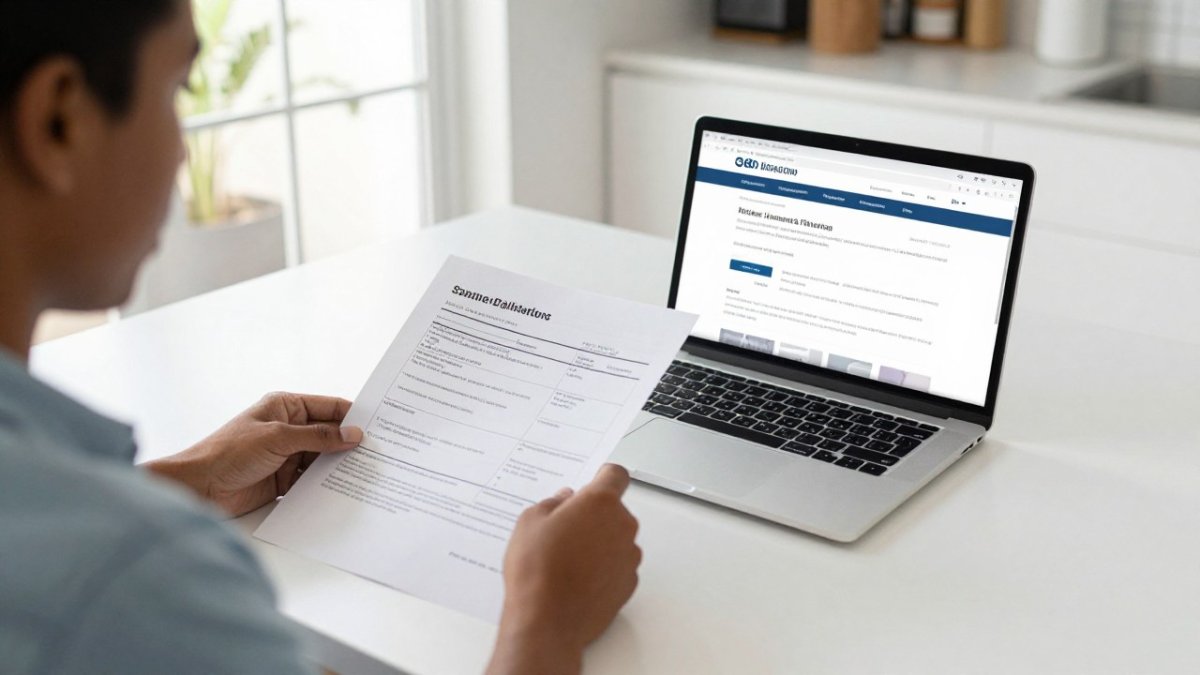
You can call the brokerage's main office and ask whether the agent is currently affiliated with them, or check the brokerage's website.
Active License Versus Current Brokerage Affiliation
An active license and a current brokerage affiliation are not the same thing. An agent can hold an active license but be between brokerages. Their record may still show an old affiliation, or none at all.
Ask yourself two questions:
- Is the license active today?
- Does the supervising broker confirm the agent works for them now?
You need both answers to be yes before you move forward.
When the Public Record Is Missing or Conflicts
Sometimes the record does not match what the agent tells you. The name may be spelled differently, the brokerage may have changed names, or the record may be outdated.
When this happens:
- Search again using a different name spelling or the license number.
- Contact the brokerage directly and ask them to confirm in writing.
- Ask the agent to explain the discrepancy. A good agent will clear it up quickly.
- Pause before signing if the answers still do not line up.
Once you have the lookup results, the affiliation can be checked against two sources, and both answers should be yes before you move forward.
| Check | What to confirm | Source |
|---|---|---|
| License status | Active today | State lookup record |
| Affiliation | Current brokerage named | State lookup record |
| Supervising broker | Confirms agent works for them now | Brokerage main office |
| Record mismatch | Ask for written confirmation | Brokerage directly |
Agent Versus Broker: What the Titles Actually Mean
The title on a license record tells you who is legally responsible for the transaction and where to look for the affiliation. Most states issue two main license types: salesperson (often called agent or associate broker in some states) and broker. The distinction is not cosmetic. It determines who supervises whom and which record you need to verify.
Salesperson License
A salesperson license allows the holder to help clients buy and sell property, but only under the supervision of a licensed broker. The salesperson cannot legally operate independently. On a state lookup record, a salesperson license will typically show an affiliation field naming the employing or sponsoring broker. That broker is the one accountable for the salesperson's conduct and the transaction itself.
Broker License
A broker license requires additional education and experience, and it allows the holder to operate their own brokerage, supervise salespersons, and take legal responsibility for transactions. A broker may still choose to work under another broker, in which case the record will show a sponsoring broker. A broker who runs their own firm will show the brokerage name as their own affiliation.
Why the Distinction Matters for Your Verification
When you check affiliation, you are really checking two things: that the agent holds an active license, and that the license is tied to a supervising broker who is also in good standing. If the agent is a salesperson, the affiliation field should name a broker. If the agent is a broker, the affiliation field may name a brokerage or another broker.
How to Confirm the Supervising Broker
Once you identify the license type, use the state lookup to search for the supervising broker by name or license number. Confirm that the broker's license is active and that the brokerage name matches what the agent told you. If the state record shows a different broker or brokerage, ask the agent to explain before you sign anything.
Red Flags and Questions to Ask Before Hiring an Agent
Watch for these warning signs during your check:
- The agent refuses to share a license number.
- The license is expired, suspended, or inactive.
- The brokerage cannot confirm the affiliation.
- The agent asks you to wire money or sign documents before the paperwork is complete.
Ask these questions in your first conversation:
- What is your license number, and which brokerage supervises you?
- Can I confirm that affiliation with the brokerage directly?
- How many transactions have you completed in the area?
- Who handles my transaction if you are unavailable?
Booking Your Consultation With Mariana Forsea
Verifying an agent's affiliation is one step in choosing the right professional for a home sale, purchase, or long-term property plan. If you want a guide through that decision, schedule a consultation with Mariana Forsea to talk through your goals and next steps.
Frequently Asked Questions
How do I verify a real estate agent's brokerage affiliation?
Start with the California Department of Real Estate public license lookup and search the agent's name or license number. The record shows whether the license is active and, for salespersons, the broker the agent is affiliated with. Then contact that brokerage directly and ask them to confirm the agent's current affiliation. If the public record and the brokerage disagree, ask for written confirmation before you sign anything.
Does a real estate license lookup show an agent's current brokerage?
In most cases it does, but the record can lag behind a recent move. A salesperson's license record typically lists the broker under whom the license is held, so it is a useful starting point. Because records may not reflect a change made in the last few weeks, treat the lookup as one source and confirm with the brokerage. A mismatch is not automatic proof of a problem, but it is a reason to ask more questions.
What should I do if an agent's license information does not match what they tell me?
Do not proceed until the discrepancy is explained. Ask the agent to explain in writing why the name, license status, or brokerage on their materials differs from the public record. Then contact the brokerage independently to confirm. If the explanation does not hold up, or if the license shows as inactive or expired, do not sign a listing agreement or send funds.
What is the difference between a real estate agent and a broker?
In California, a salesperson works under the supervision of a licensed broker and cannot run an independent brokerage. A broker can operate their own brokerage and supervise salespersons. When you hire someone, the broker of record is responsible for the transaction, so knowing which role your agent holds tells you who is accountable for supervision.